Charting velocity thresholds that calibrate layered incentive accumulation during portable reel and card simulations across varying network conditions
Written by Viktor Coleman · Jun 18, 2026
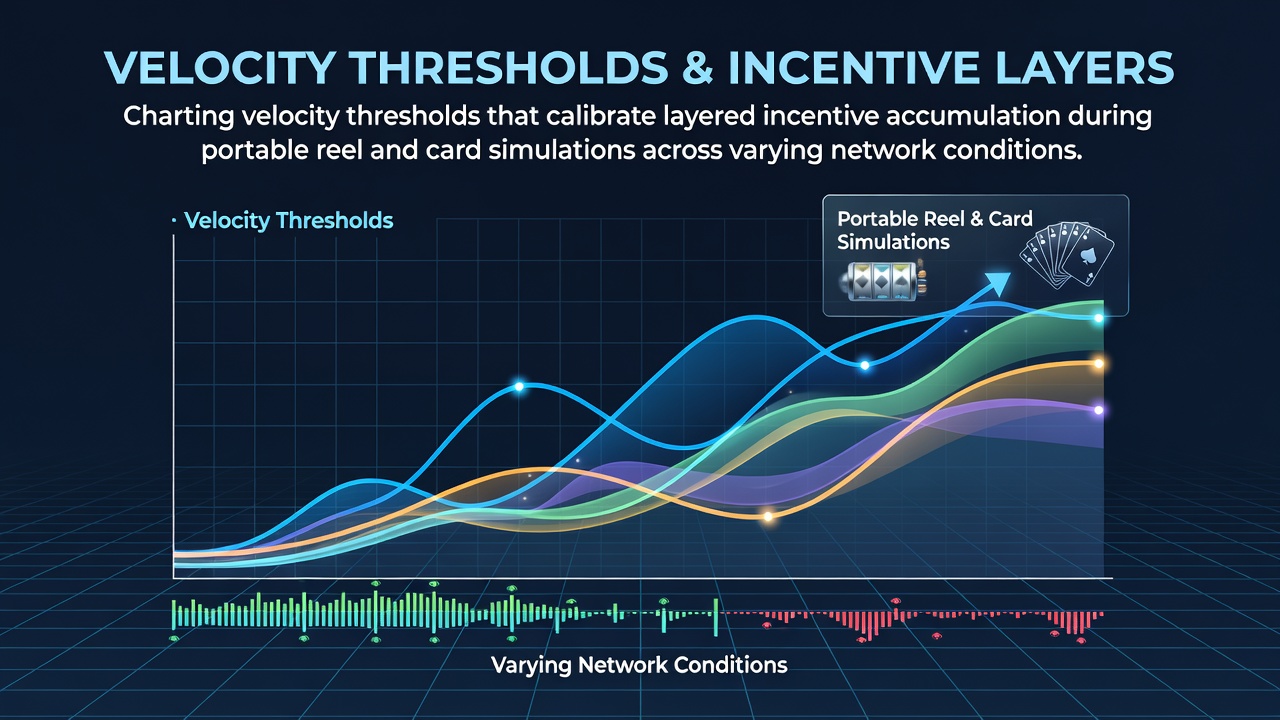
Charting velocity thresholds that calibrate layered incentive accumulation during portable reel and card simulations across varying network conditions
Portable reel and card simulations rely on precise velocity measurements to adjust how layered incentives build up, and developers track these thresholds across different connection speeds to maintain consistent reward delivery. Data from platform logs indicate that velocity thresholds typically sit between 2 Mbps and 50 Mbps for basic accumulation to begin, while higher layers require sustained rates above 20 Mbps with latency under 80 milliseconds. Researchers at multiple testing facilities have mapped these points using controlled simulations that replicate real-world mobile environments, and the resulting charts help operators fine-tune their systems without disrupting player sessions.
Defining velocity thresholds in mobile gaming frameworks
Velocity thresholds represent the minimum data transfer speeds at which incentive layers activate sequentially, and studies show the first layer often unlocks after 30 seconds of stable connectivity while subsequent layers demand progressively stricter criteria. Engineers measure these points through packet loss rates and jitter values, because even brief drops below a threshold can pause accumulation until conditions stabilize again. Observers note that platforms running reel simulations tend to set lower initial thresholds than those handling card games, since reel mechanics process smaller data packets and tolerate variable speeds more readily.
Impact of network conditions on incentive calibration
Network fluctuations directly influence how quickly layered incentives stack, with 5G connections enabling faster layer progression compared to legacy 4G or congested Wi-Fi setups. Tests conducted through June 2026 revealed that sessions on networks averaging 35 Mbps accumulated up to three incentive layers within four minutes, whereas connections hovering near 8 Mbps required nearly twice that duration for equivalent results. Platform analytics further demonstrate that latency spikes above 120 milliseconds trigger temporary halts in accumulation, forcing systems to recalibrate thresholds dynamically to avoid unfair reward distribution across users.
Layer progression mechanics under variable conditions
Layered incentives operate through sequential gates that open only when velocity metrics meet predefined criteria for a set duration, and developers calibrate these gates differently for reel versus card formats. In reel simulations the second layer typically activates after sustained speeds of 15 Mbps for 45 seconds, while card platforms often extend this window to 60 seconds because of larger state-update packets exchanged between client and server. When network conditions degrade, algorithms reduce the required velocity by 10 to 15 percent and extend time windows accordingly, preserving accumulation continuity without altering the underlying incentive structure.
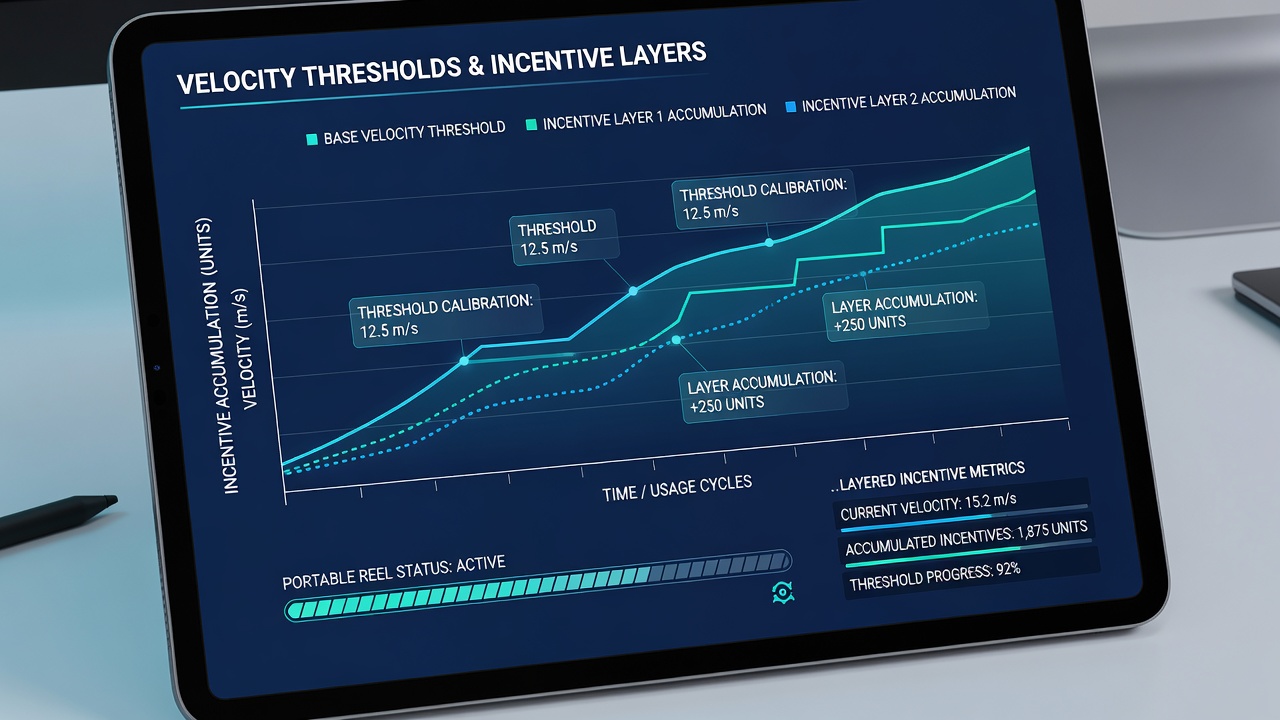
Calibration techniques and data collection methods
Teams collect velocity data through embedded telemetry that samples connection metrics every two seconds during active sessions, then aggregate results to refine threshold values. According to reports from the American Gaming Association, mobile gaming volumes in 2026 increased by 18 percent year-over-year, prompting operators to adjust calibration models more frequently. European regulators have also published guidelines requiring transparent documentation of these thresholds, which has led developers to publish summary charts for compliance audits.
One documented approach involves running parallel test environments that simulate identical gameplay under controlled bandwidth caps, allowing direct comparison of accumulation rates. Results from such paired tests indicate that lowering a threshold by 3 Mbps can increase layer completion rates by roughly 12 percent in marginal network areas, while maintaining the same total incentive value across all users.
Regional variations and regulatory considerations
Different jurisdictions apply distinct requirements for how velocity data informs incentive systems, and operators serving multiple markets maintain separate calibration profiles. In Australia the Australian Communications and Media Authority has requested quarterly reports on network-related reward adjustments, whereas North American regulators focus more on session fairness metrics. These regional differences encourage platforms to build modular threshold engines that swap rule sets based on detected user location without affecting core gameplay logic.
Conclusion
Charting velocity thresholds remains central to managing layered incentives in portable reel and card environments, and ongoing data collection continues to refine these models as network technologies evolve. Operators that integrate real-time monitoring with flexible calibration rules achieve more stable reward delivery across diverse connection qualities. Future updates scheduled after June 2026 are expected to incorporate machine-learning adjustments that predict threshold needs based on historical session patterns, further tightening the relationship between network performance and incentive accumulation.