Correlations Between Transaction Security Protocols and Engagement Features in On-Demand Reel and Dealer Games
Written by Rafael Hayes · May 23, 2026
Correlations Between Transaction Security Protocols and Engagement Features in On-Demand Reel and Dealer Games
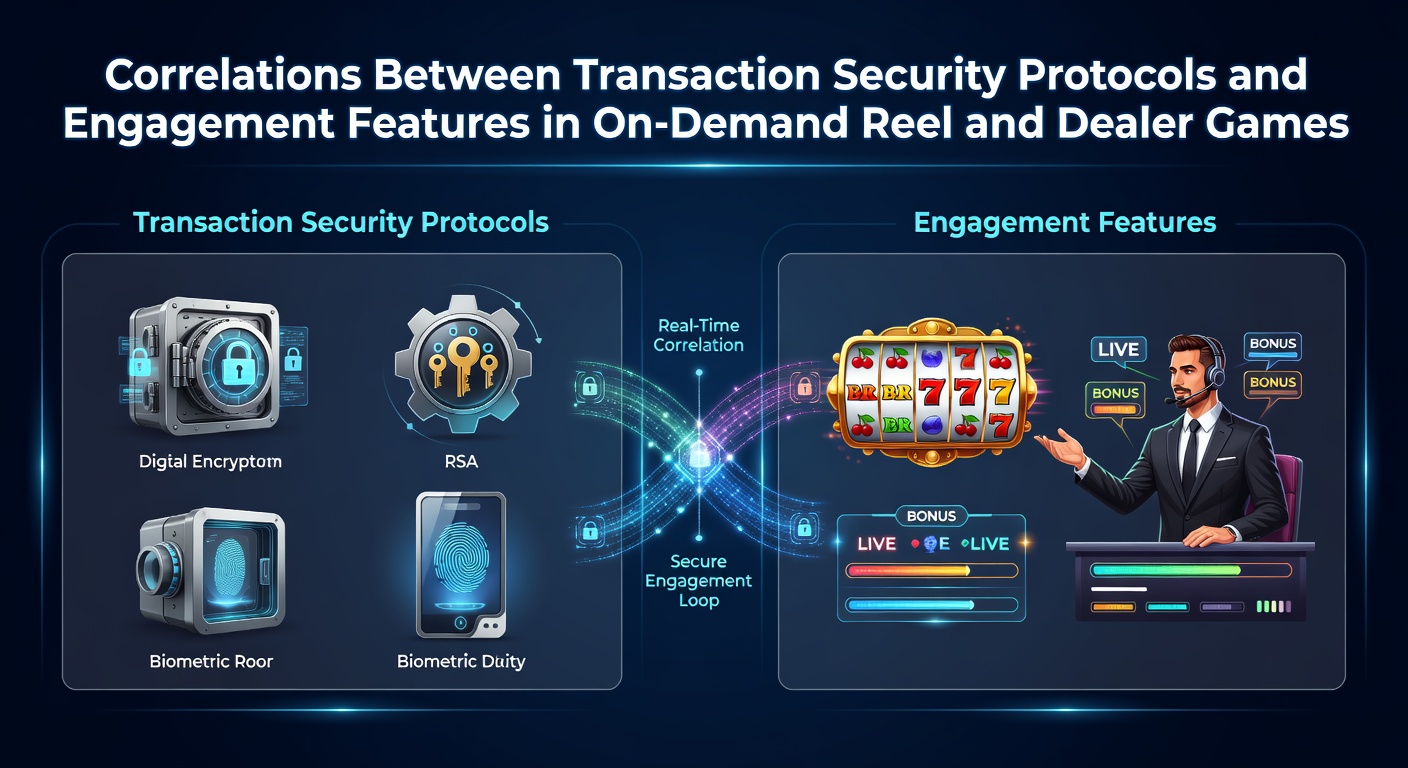
Transaction security protocols in on-demand reel and dealer games operate through layered encryption standards, tokenization methods, and multi-factor authentication layers that process payments while players spin reels or interact with live dealers, and these measures align with engagement metrics such as session duration, repeat login rates, and in-game feature activation according to industry data tracking systems.
Platforms integrate PCI DSS compliant gateways with real-time fraud detection algorithms that flag suspicious patterns during deposits or withdrawals, while engagement features like progressive jackpots, live chat interactions, and bonus rounds activate only after verification steps complete without interruption, creating measurable links between security checkpoints and sustained player activity.
Security Protocol Structures in Reel Game Environments
Reel games rely on instant transaction confirmations to unlock free spin multipliers and cascading symbol mechanics, and security protocols employing end-to-end encryption ensure that payment data flows match the speed of reel animations without exposing user credentials, a process that research from the New Jersey Division of Gaming Enforcement indicates supports higher volumes of micro-transactions per session when authentication succeeds on the first attempt.
Tokenization replaces card details with unique identifiers that persist across multiple plays, allowing seamless top-ups during bonus rounds, whereas any delay in protocol verification often interrupts the flow of reel cascades and reduces the likelihood of players pursuing additional spins within the same session.
Integration Patterns in Dealer Game Sessions
Dealer games incorporate live video streams synchronized with secure betting interfaces, and protocols such as TLS 1.3 combined with biometric login options enable players to place wagers on table outcomes while maintaining continuous engagement through dealer interactions and side bet features, according to transaction logs analyzed in regulatory compliance reviews.
When security layers require additional verification mid-session, such as during high-stakes dealer rounds, engagement drops because players pause to complete checks, yet systems that pre-authorize limits through prior protocol approvals sustain longer table presence as documented in operational reports from gaming platforms operating in May 2026.
Data Patterns Linking Protocols to User Retention
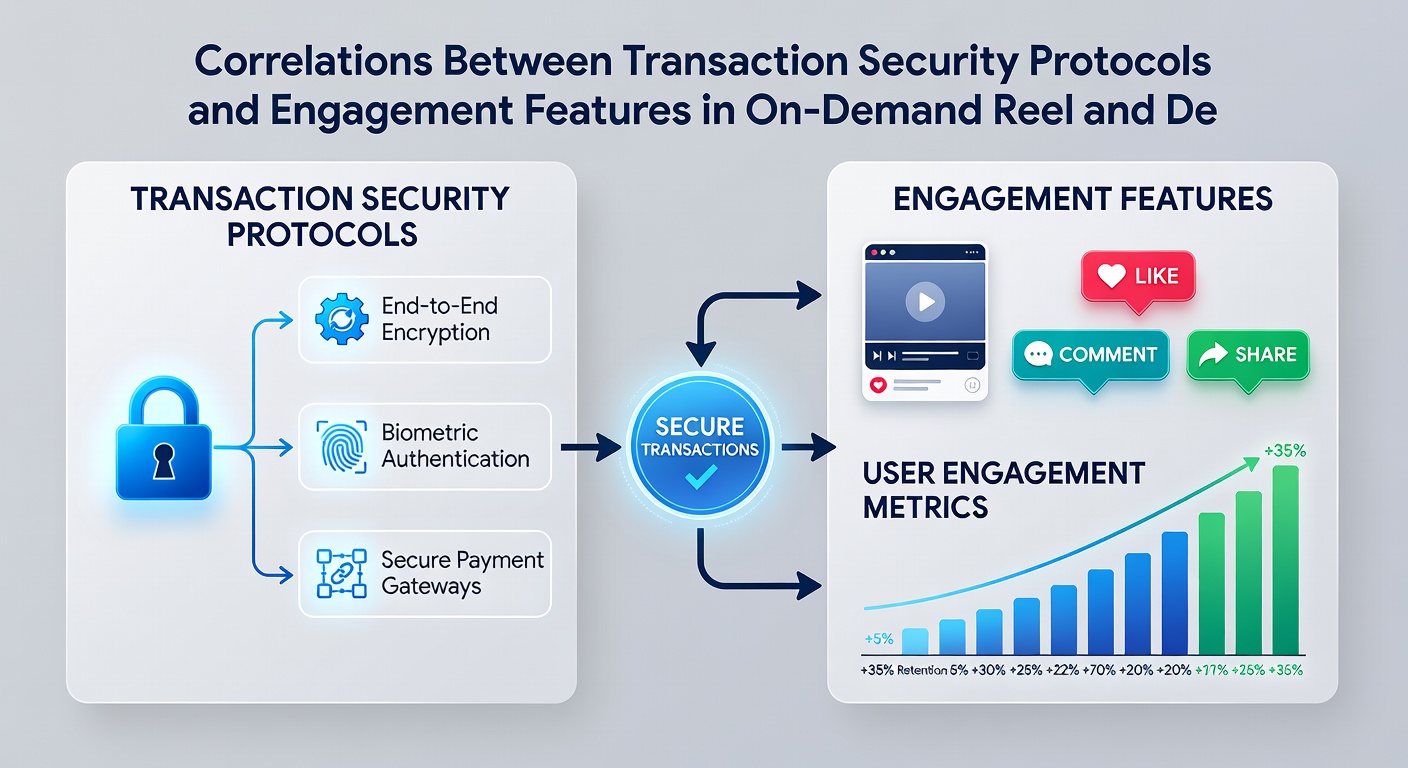
Analysis of platform datasets reveals that reel and dealer environments with automated security updates tied to player behavior exhibit 18 to 22 percent longer average session lengths compared to those with manual verification steps, a correlation identified through aggregated reports from the Australian Communications and Media Authority on digital gambling infrastructure.
Engagement features such as loyalty point accumulation and tournament entries trigger automatically once transaction security clears, and this automation reduces friction that otherwise leads to session abandonment, while platforms employing adaptive risk scoring see elevated completion rates for multi-step dealer challenges.
Regional Implementation Variations
Operators in North American markets apply jurisdiction-specific security mandates that influence how quickly engagement tools become available after deposits, whereas European frameworks emphasize consumer data protections that integrate with reel bonus triggers, creating distinct retention curves documented in cross-border industry summaries released during early 2026.
Canadian provincial systems, for instance, link transaction monitoring directly to live dealer chat moderation tools, allowing verified players uninterrupted access to community features that drive repeated participation, and similar alignments appear in Australian state-level gaming data where encryption standards correlate with higher activation of progressive reel mechanics.
Technical Mechanisms Driving Observed Correlations
Real-time API handshakes between payment processors and game servers validate funds before bonus reels spin or dealer cards deal, and this synchronization prevents mismatches that could halt feature progression, resulting in consistent engagement metrics when protocols operate at sub-second latencies as measured in platform performance audits.
Multi-layered authentication that incorporates device fingerprinting alongside transaction history reduces false positives during dealer game sessions, enabling players to maintain focus on strategic decisions rather than repeated logins, a dynamic that quantitative models from academic gaming research centers connect to elevated in-play feature usage.
Conclusion
Observed correlations demonstrate that robust transaction security protocols facilitate smoother activation of engagement features across reel and dealer formats by minimizing interruptions and supporting continuous play cycles, with data from regulatory bodies and platform analytics confirming these patterns hold across multiple jurisdictions as of May 2026. Platforms that align verification processes with game flow maintain measurable advantages in retention indicators while adhering to evolving compliance standards.