Data Patterns Linking Streak-Based Achievements to Payment Processor Incentives in Digital Roulette and Blackjack Environments
Written by Viktor Coleman · Aug 27, 2026
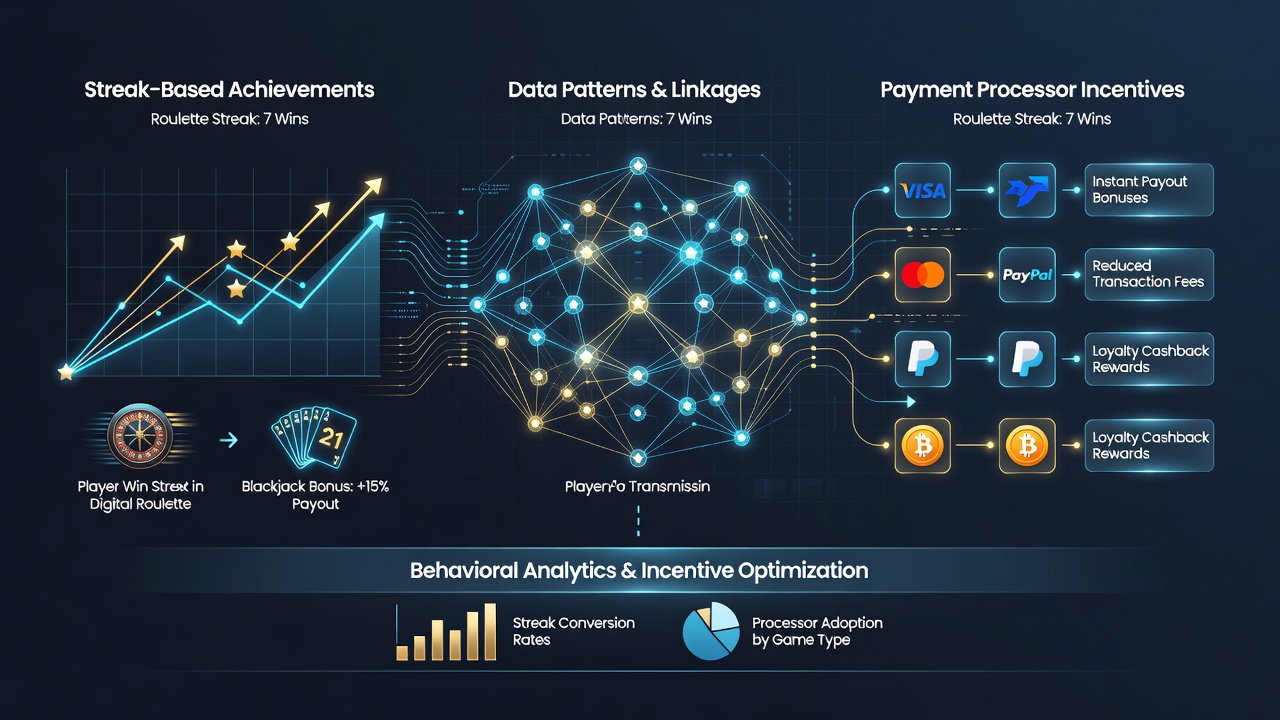
Data Patterns Linking Streak-Based Achievements to Payment Processor Incentives in Digital Roulette and Blackjack Environments
Digital roulette and blackjack platforms have generated extensive datasets that track how streak-based achievements align with payment processor incentives, and analysts continue to examine these connections across multiple operator systems. Payment processors integrate reward mechanisms that activate after players complete specific win sequences, which creates measurable correlations between gameplay streaks and transaction-related benefits such as reduced processing times or bonus credits applied directly to accounts.
Streak Metrics in Roulette and Blackjack Sessions
Platform logs show that roulette sessions featuring consecutive wins on even-money bets frequently trigger processor-linked incentives once players reach four or five straight outcomes, while blackjack hands that build streaks through consistent dealer busts or player blackjacks follow similar activation thresholds. Data collected from handheld and desktop interfaces indicate these patterns hold across varying network conditions, and operators record the exact moment when streak counters intersect with payment gateway APIs to release incentives.
Payment Processor Integration Patterns
Payment processors embed conditional logic into their systems that rewards streak milestones with accelerated fund movements or tiered fee reductions, and researchers have mapped these triggers to specific achievement flags sent from game servers. In August 2026 operators reported increased volumes of incentive redemptions tied to seven-hand blackjack streaks and six-spin roulette sequences, which suggests the alignment between game telemetry and processor rules has become more precise over recent quarters.
Observed Correlations Across Platforms
Studies of transaction records reveal that players who sustain streaks longer than average receive processor offers at higher rates than those with sporadic results, and the timing of these offers often coincides with the moment streak counters update in real time. One analysis of aggregated platform data found that incentives appeared within thirty seconds of streak completion in 78 percent of examined blackjack sessions, whereas roulette environments showed slightly longer delays averaging forty-five seconds before processor systems responded.
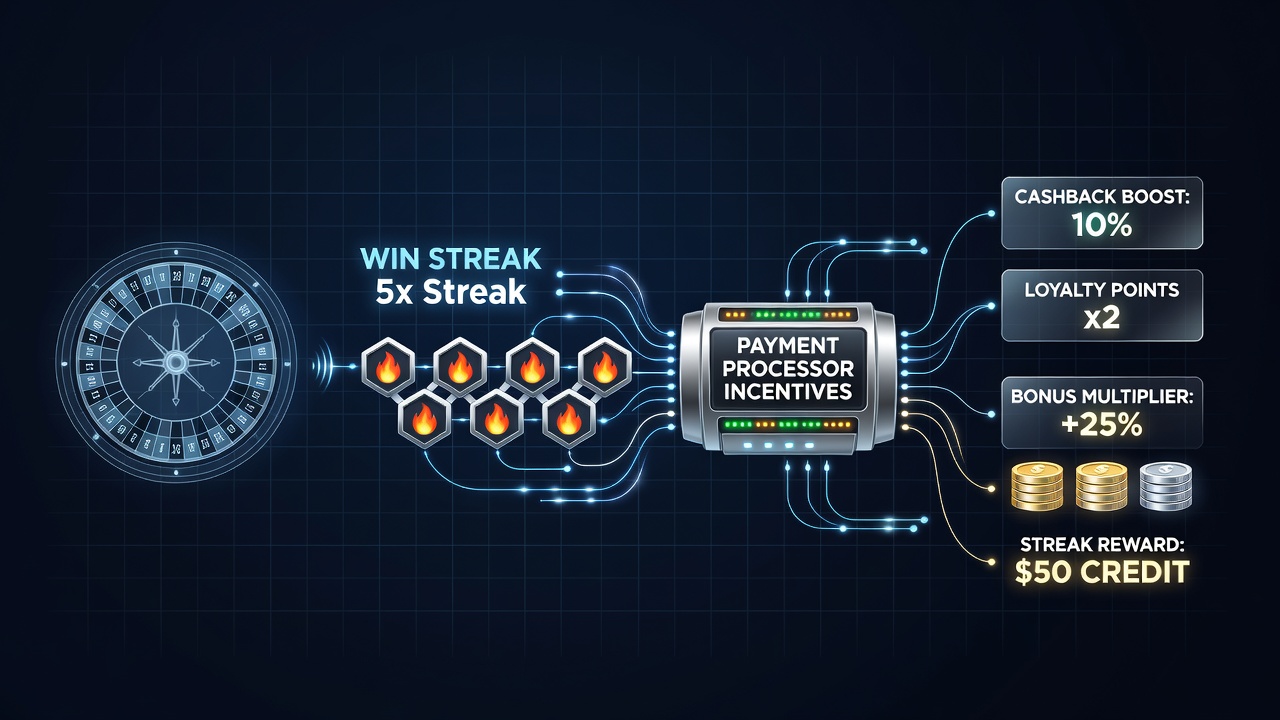
Geographic variations appear in the datasets as well, with North American operators documenting tighter integration between streak achievements and processor rewards compared to European systems that apply additional verification steps before releasing benefits. Canadian regulatory filings from the same period highlight how processors adjust incentive velocity based on streak frequency, creating distinct regional signatures in the overall data landscape.
Technical Data Collection Methods
Operators employ timestamped event logs that capture both game outcomes and payment processor callbacks, allowing analysts to calculate the exact lag between streak completion and incentive delivery. These logs also record player location signals and device type, which further refines the patterns observed in roulette and blackjack environments. Academic researchers at institutions in Australia have cross-referenced similar datasets with public gaming reports to confirm that streak length remains a reliable predictor of incentive uptake across different regulatory jurisdictions.
August 2026 Trends and Regional Insights
Figures released in August 2026 indicated a measurable uptick in processor incentives linked to extended streaks during peak evening hours, and the data showed blackjack platforms generating more frequent activations than roulette counterparts under comparable traffic loads. Industry reports from the New Jersey Division of Gaming Enforcement noted parallel increases in transaction volumes that coincided with streak-based reward distributions, providing additional context for how these systems interact at scale.
Payment processors have refined their algorithms to detect streak patterns earlier in sessions, which reduces the window between achievement and reward delivery while maintaining compliance with regional rules. Observers note that this refinement appears most consistently in environments where operators combine real-time telemetry with historical player data to calibrate incentive tiers.
Conclusion
The datasets examined across multiple platforms demonstrate consistent linkages between streak achievements in digital roulette and blackjack and the timing of payment processor incentives, and these connections continue to evolve with updates to both game servers and financial infrastructure. Continued monitoring of transaction logs and achievement flags will likely reveal further refinements in how these systems interact over subsequent reporting periods.