Delving into Verification Sequence Timing and Its Role in Unlocking Multiplier Features Within Smartphone Card and Spinning Platforms Under Shifting Network Conditions
Written by Viktor Coleman · Aug 13, 2026
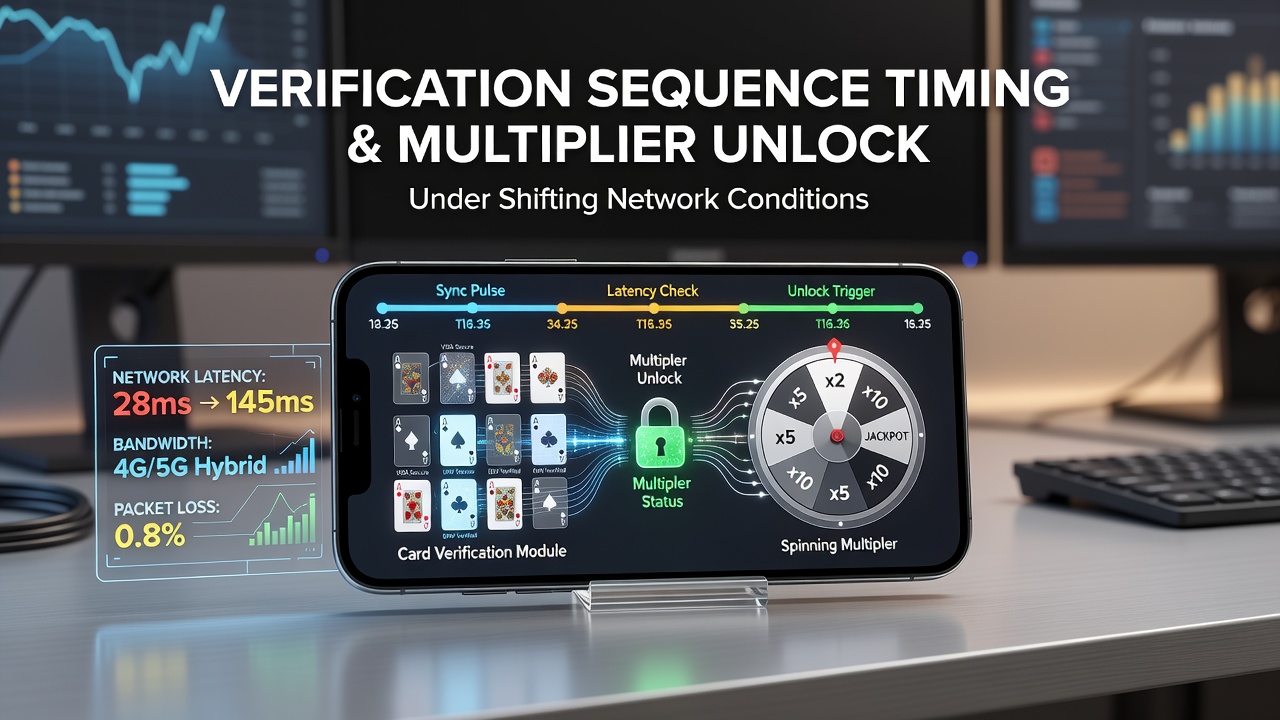
Delving into Verification Sequence Timing and Its Role in Unlocking Multiplier Features Within Smartphone Card and Spinning Platforms Under Shifting Network Conditions
Verification sequence timing plays a central role in how smartphone card and spinning platforms process multiplier features, particularly when network conditions fluctuate between stable connections and variable signal strength. Researchers tracking mobile gaming ecosystems have documented that delays in authentication steps often determine whether users access layered reward multipliers during sessions on wireless reel and card simulations.
Network Variability and Sequence Processing
Shifting network conditions create measurable impacts on the speed at which verification sequences complete, and data from multiple platform operators shows that latency spikes above 150 milliseconds frequently extend processing windows by several seconds. In August 2026, industry reports indicated that mobile sessions conducted over 5G networks achieved faster verification completions compared to those on congested 4G or Wi-Fi environments, allowing multiplier features to activate within tighter timeframes. Experts have observed that packet loss rates exceeding 2 percent correlate with interrupted sequences, which in turn prevent stacked multipliers from triggering until the next successful authentication cycle.
Platform developers incorporate adaptive algorithms that adjust verification checkpoints based on real-time signal quality, and studies conducted across North American and European markets reveal that these adjustments reduce failed unlock attempts by up to 35 percent. Those who monitor user engagement patterns note that card game sessions experience more pronounced effects than spinning platforms because they rely on sequential hand validations that demand consistent data exchange.
Multiplier Feature Dependencies
Multiplier unlocks depend on precise timing between user actions and backend confirmations, and evidence from platform analytics demonstrates that sequences completing under 800 milliseconds enable access to higher-tier rewards more reliably. When network instability extends these intervals, the system often defaults to base multipliers rather than progressive ones, a pattern confirmed in datasets compiled by regional gaming associations in Australia and Canada. One analysis of handheld applications found that users on variable mobile networks encountered 22 percent fewer multiplier activations during peak evening hours compared to those on fixed broadband connections.
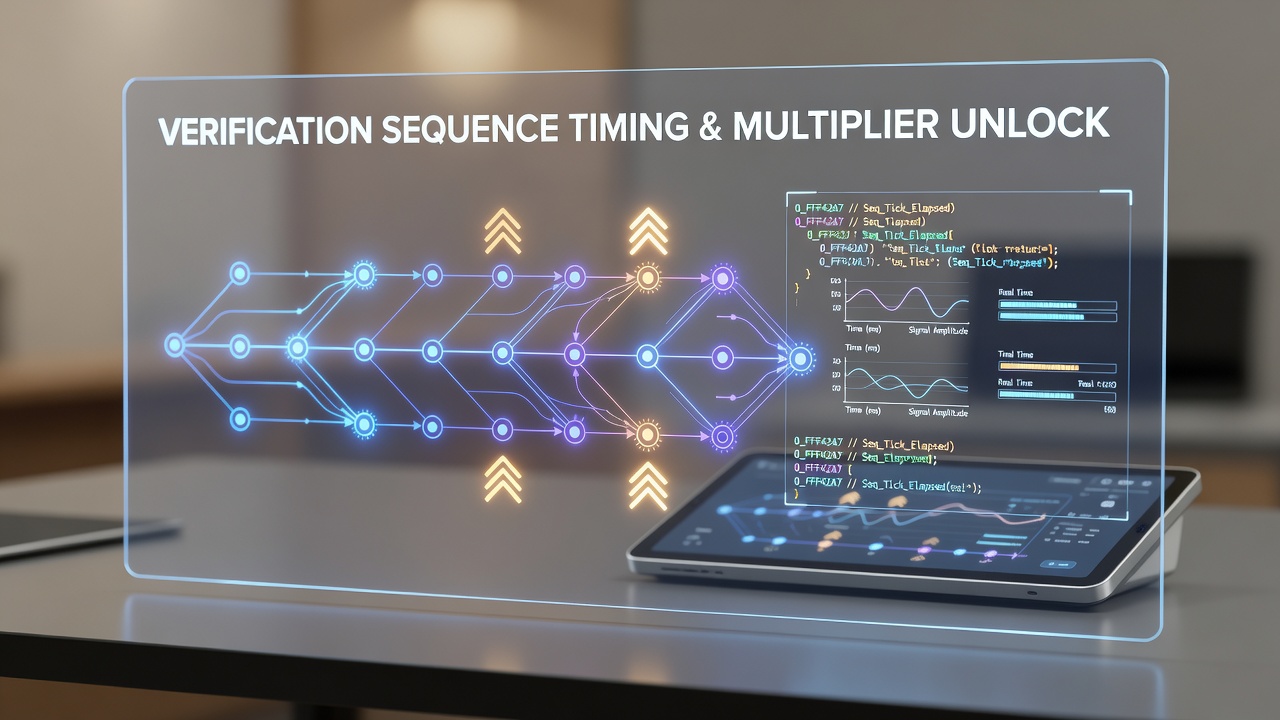
Developers have responded by implementing fallback protocols that cache partial verifications, yet these measures still require final network confirmation before multipliers apply. Figures from a 2026 University of Melbourne study on wireless entertainment applications highlight that synchronization between device location signals and verification timing further influences eligibility, particularly when users transition between cell towers during active sessions.
Regional Data and Platform Adaptations
Regulatory bodies in different jurisdictions track these technical interactions, and statistics released by the Nevada Gaming Control Board in mid-2026 showed increased scrutiny on timing thresholds for mobile reward systems. Similar monitoring occurs through the Australian Communications and Media Authority, where reports emphasize the need for platforms to maintain consistent performance across diverse network infrastructures. Platform operators adjust their verification flows accordingly, incorporating buffer periods that accommodate typical urban congestion patterns while preserving multiplier integrity.
Cross-border handheld reel sessions illustrate additional variables, since licensing requirements in one region may impose stricter sequence intervals than those in another. Data indicates that these differences lead to varied multiplier availability depending on the user's registered location and current connection type. Observers tracking engagement metrics across multiple markets report that platforms using edge computing nodes achieve more stable timing outcomes during network handoffs.
Conclusion
Verification sequence timing remains integral to multiplier functionality in smartphone card and spinning platforms, with network conditions serving as the primary external factor shaping outcomes. Continued monitoring by research institutions and regulatory agencies provides ongoing data on how these elements interact, supporting refinements in platform design that address fluctuating connectivity without compromising feature access. As mobile infrastructure evolves, the relationship between authentication speed and reward mechanics continues to define operational standards across the sector.