How Device Sensor Inputs Shape Progressive Jackpot Access in Wireless Slot and Table Environments
Written by Viktor Coleman · Aug 6, 2026
How Device Sensor Inputs Shape Progressive Jackpot Access in Wireless Slot and Table Environments
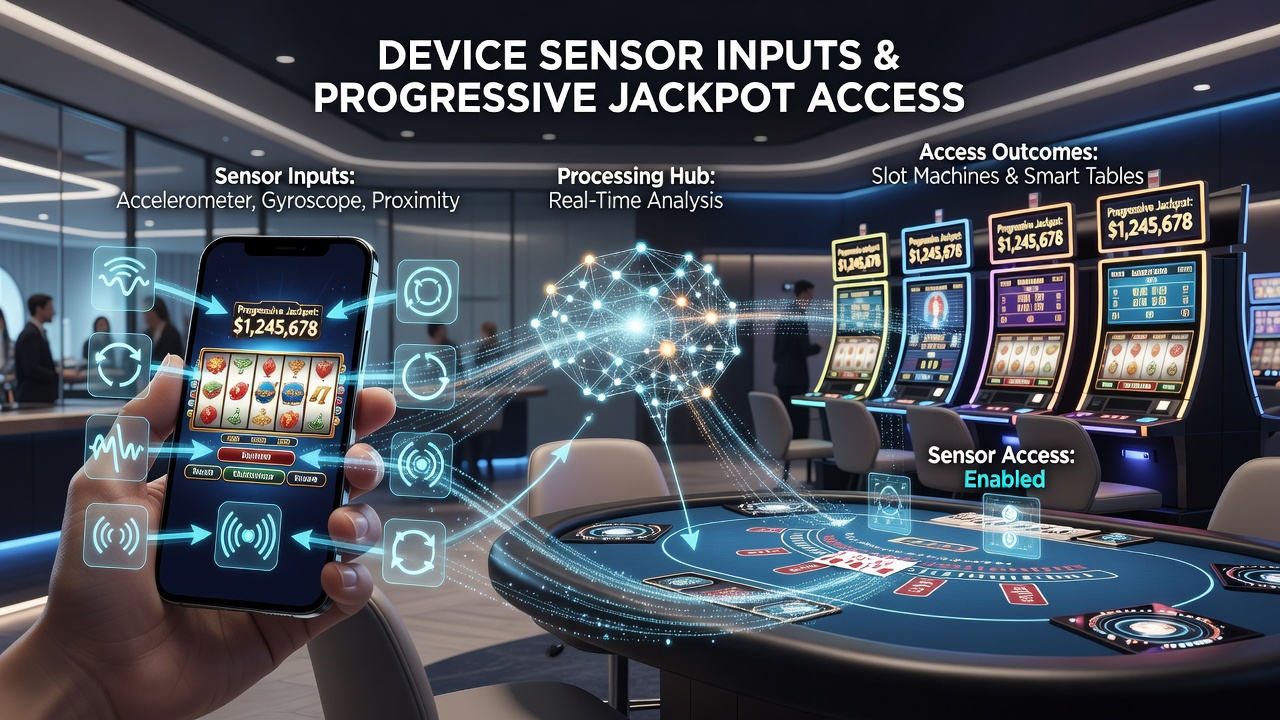
Device sensors in smartphones and tablets now determine when players can enter progressive jackpot pools during wireless slot sessions and live table games, and this integration has expanded steadily through 2026. Accelerometers, gyroscopes, GPS modules, and network velocity detectors work together to verify location, movement patterns, and connection stability before granting access to shared prize structures that grow across multiple venues. Regulatory frameworks in several jurisdictions require these checks to maintain fairness and prevent unauthorized participation from outside approved areas.
Location Verification Through GPS and Geofencing Protocols
GPS data feeds directly into casino platform servers that manage progressive systems, and operators use this input to confirm players remain inside licensed territories before any jackpot contribution or payout becomes possible. In August 2026 several North American platforms updated their geofencing parameters to align with revised state compact agreements, which tightened boundary tolerances from 500 meters to 250 meters in high-density urban zones. Canadian provincial regulators published compliance statistics showing that sensor-based location checks reduced out-of-jurisdiction connection attempts by 18 percent during the first half of the year compared with earlier manual verification methods.
Table game environments apply the same GPS layer during live dealer streams, while players on tablets or phones must maintain signal accuracy within defined perimeters or risk temporary suspension from the progressive pool. Industry reports from the European Gaming and Betting Association indicate that similar location protocols in regulated markets across the continent have produced consistent eligibility rates above 94 percent when device sensors operate without interference.
Motion and Orientation Sensors Influencing Session Continuity
Accelerometers and gyroscopes track device tilt and movement to detect whether a player maintains an active, authorized session, and platforms interpret sudden orientation changes as potential indicators of shared-device use or automated scripts. When these sensors register irregular patterns, the system may pause jackpot meter contributions until the player re-authentifies through additional biometric or PIN steps. Research published by the University of Nevada Reno Gaming Laboratory documented that motion-based authentication reduced suspected bot activity in mobile progressive slots by measurable margins across sampled operators during 2025 testing cycles.
Live dealer table sessions incorporate gyroscope feedback to ensure the device remains in a stable viewing position, because excessive movement can interrupt the video feed and simultaneously block further progressive contributions until stability returns. This dual-purpose sensor application maintains both gameplay quality and jackpot integrity without requiring separate verification layers in most implementations.
Network Velocity Thresholds and Connection Stability Checks
Wireless carriers supply velocity and signal strength data that platforms cross-reference against jackpot eligibility rules, and rapid changes in network conditions can trigger temporary holds on meter participation. Operators in Australia have integrated these thresholds into their responsible gambling frameworks, with the Northern Territory Government reporting that velocity-based pauses helped limit play during detected high-speed transit scenarios in the 12 months ending July 2026. Progressive systems therefore accumulate only when connection metrics stay within predefined bands that support uninterrupted data exchange between the mobile device and central servers.
Wireless slot titles often link jackpot contributions to these stability metrics, whereas table game interfaces add an extra buffer period of 30 to 45 seconds before re-enabling access after a network fluctuation. Data aggregated by the Asia-Pacific Gaming Council shows that such sensor-driven safeguards correlate with fewer disputed jackpot claims across participating jurisdictions.
Integration Patterns Across Slot and Table Platforms
Developers coordinate sensor inputs through unified APIs that feed a single eligibility engine, allowing the same progressive pool to serve both reel-based games and card or roulette tables without separate location or motion checks for each title. This unified approach reduces processing overhead while ensuring consistent rules apply regardless of game category. Observers note that platforms adopting this model recorded higher average session durations in regulated markets during the second quarter of 2026, according to aggregated operator disclosures.
Cross-border handheld sessions continue to test these sensor combinations, because differing regional rules require platforms to switch verification priorities depending on the player’s detected location. When a user crosses from one licensing zone into another, the system automatically adjusts contribution rates and prize visibility to match the new jurisdiction’s requirements.
Conclusion
Sensor inputs now form a core layer of progressive jackpot infrastructure in wireless environments, adn their combined use of GPS, motion, and network data delivers location accuracy, session authenticity, and connection reliability checks that regulators and operators rely upon. Continued refinement of these inputs through 2026 has produced measurable improvements in compliance metrics across multiple regions while preserving player access within approved parameters.