Patterns of Reward Layering Tied to Transaction Velocity in Wireless Blackjack and Roulette Sessions Under Varying Regulatory Frameworks
Written by Rafael Hayes · Aug 22, 2026
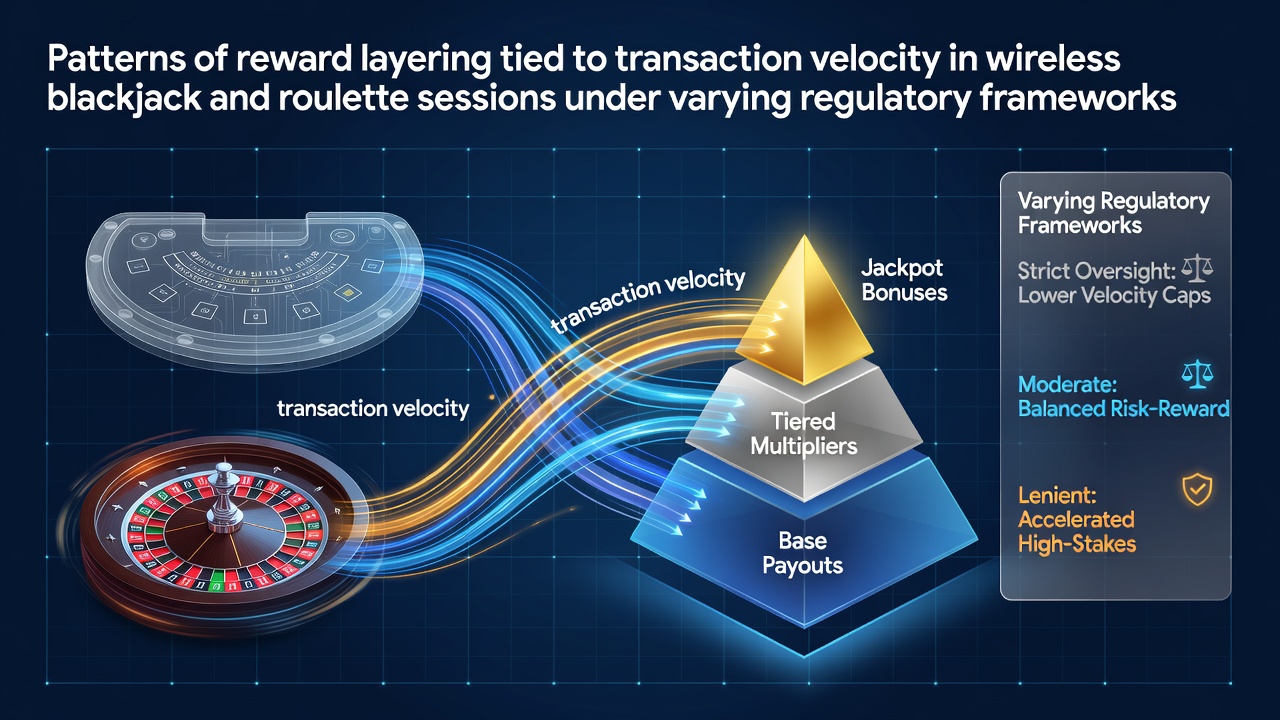
Patterns of Reward Layering Tied to Transaction Velocity in Wireless Blackjack and Roulette Sessions Under Varying Regulatory Frameworks
Wireless blackjack and roulette sessions display distinct patterns where reward layering connects directly to transaction velocity, meaning the speed at which players place bets and complete financial transactions, and these patterns shift under different regulatory frameworks across regions. Researchers tracking mobile gaming data note that higher transaction speeds often trigger stacked incentives such as cashback multipliers, loyalty points, and bonus rounds, yet regulatory caps on session frequency or deposit limits alter how these layers accumulate.
Regulatory Variations Across Major Jurisdictions
Frameworks in the United States impose state-specific rules that influence velocity thresholds, for instance Nevada regulations permit rapid transaction flows in licensed apps while requiring real-time reporting on cumulative rewards, and this setup leads to observable spikes in layered promotions once players exceed certain bet-per-minute rates. Data from industry monitoring shows that operators adjust reward structures to comply with these rules, resulting in fewer but more substantial layers during high-velocity periods. In contrast, frameworks in Canada through bodies like iGaming Ontario enforce stricter velocity controls tied to responsible gaming protocols, which cap the number of transactions within set intervals and thereby limit how many reward layers activate in a single session.
European markets outside the UK operate under directives from the Malta Gaming Authority that tie reward eligibility to verified transaction histories, creating patterns where slower velocities allow gradual layering of smaller incentives while faster ones consolidate rewards into fewer, larger payouts to meet transparency requirements. Observers note similar dynamics in Australian states where state gaming commissions monitor wireless table game sessions and adjust incentive availability based on reported transaction speeds, with evidence indicating that August 2026 updates to cross-state reporting standards further synchronized these velocity-based triggers.
Observed Patterns in Blackjack and Roulette Sessions
Studies of wireless platforms reveal that blackjack sessions, which involve decision-heavy gameplay, pair moderate transaction velocities with layered rewards that include side-bet bonuses and progressive jackpots, whereas roulette sessions favor higher velocities that unlock multiplier stacks more quickly due to simpler bet mechanics. Transaction velocity measured in actions per minute correlates with reward depth, and data indicates that sessions crossing 12 transactions per minute often see an additional layer of comps activated under permissive frameworks, while stricter ones delay or fragment those same layers to prevent rapid accumulation.
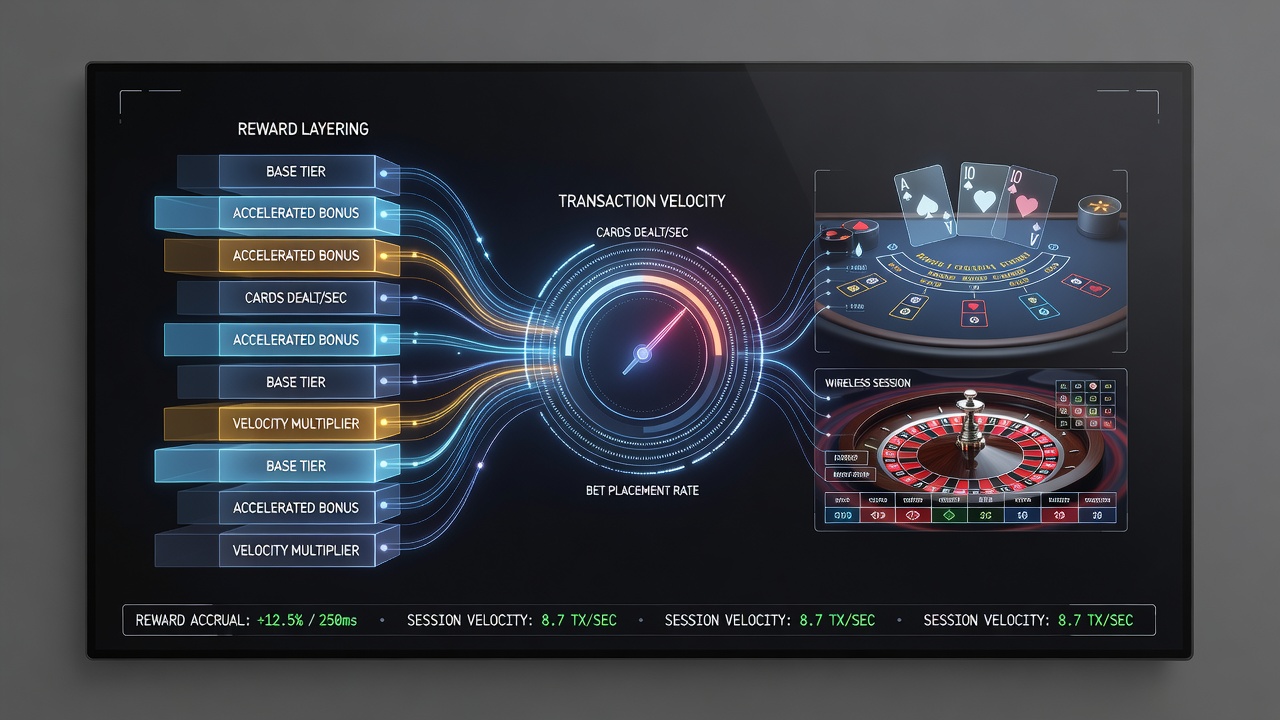
Regulatory differences also affect how operators log and respond to these patterns, with some jurisdictions requiring velocity audits that force real-time adjustments to reward eligibility, and others allowing post-session reviews that permit more flexible layering. Figures from platform analytics demonstrate that roulette players under lighter oversight experience quicker stacking of daily loss rebates when transaction speeds remain elevated, yet frameworks emphasizing player protection introduce cooldown periods that reset reward counters and reduce overall layer depth.
Impact of Transaction Velocity Thresholds
Thresholds emerge consistently across datasets where velocity below six transactions per minute yields basic reward layers such as standard loyalty points, but speeds above that activate secondary and tertiary layers including free spin equivalents or table game credits. Under frameworks like those administered by the Nevada Gaming Control Board, operators publish aggregated velocity data that confirms these thresholds drive measurable increases in layered incentives, while international comparisons show that Asian markets with centralized oversight apply uniform velocity bands that standardize reward patterns regardless of game type.
Wireless environments add network variability that interacts with regulatory velocity rules, since latency can slow transaction confirmation and thereby interrupt layering sequences, and platforms compensate by redesigning interfaces to maintain consistent speeds within permitted ranges. Evidence from multiple operator reports highlights that blackjack sessions under velocity-sensitive rules accumulate rewards more steadily than roulette ones, which cluster layers during peak activity windows.
Conclusion
Patterns of reward layering tied to transaction velocity in wireless blackjack and roulette sessions reflect the direct influence of regulatory frameworks on how incentives build and distribute, with data across jurisdictions confirming that velocity thresholds determine layer activation while compliance requirements shape their structure and timing. Continued monitoring through 2026 and beyond will track how evolving rules refine these connections in mobile table game environments.