Permission Request Sequences and Their Influence on Reward Claim Patterns in Digital Table and Reel Platforms
Written by Erik Zimmermann · Jun 22, 2026
Permission Request Sequences and Their Influence on Reward Claim Patterns in Digital Table and Reel Platforms
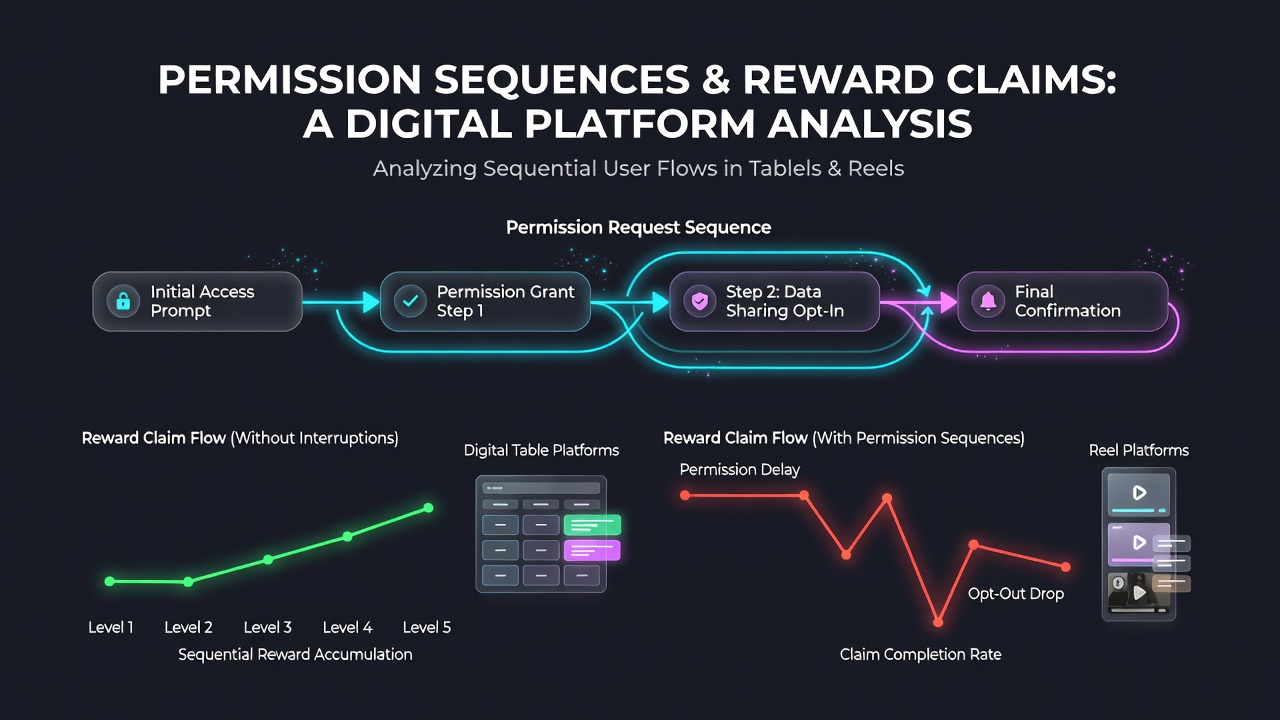
Digital platforms offering table games and reel simulations manage reward systems through mobile applications that rely on layered permission requests to unlock features such as location-based bonuses, notification alerts for timed promotions, and storage access for reward tracking. The order in which these requests appear shapes how players progress through sequential claims where one reward unlocks the next stage only after specific conditions are met. Data from the Alcohol and Gaming Commission of Ontario indicates that permission timing correlates with completion rates for chained incentives in handheld environments.
Understanding Permission Sequences in Mobile Gaming Ecosystems
Applications for reel and table sessions typically initiate with basic access prompts before advancing to more specialized ones like geolocation or push notifications, and this progression affects eligibility for rewards that require cumulative actions across multiple sessions. Researchers have observed that when location permissions come early in the sequence, players gain faster access to region-specific multipliers that feed into later reward tiers. Subsequent requests for notification access then allow the platform to deliver reminders that keep users engaged during the claim window for follow-up incentives.
Studies conducted on app behavior patterns reveal variations in claim success depending on whether storage permissions precede or follow camera access for identity verification steps. When storage comes first, users can cache reward progress locally while the app processes verification, which reduces drop-off between the initial claim and the next stage. Platforms adjust these orders based on regional regulations, and data released in June 2026 showed measurable differences in completion rates across North American and European markets.
Effects on Sequential Reward Mechanics
Sequential rewards in these environments function as chains where each completed action triggers the next opportunity, yet permission denials at any point can interrupt the flow and reset eligibility timers. Observers note that notification requests placed midway through the sequence often boost retention because they coincide with the moment players receive their first reward confirmation, prompting immediate setup for future alerts. This placement reduces the chance of missed claims compared to requests that appear before any reward has been earned.
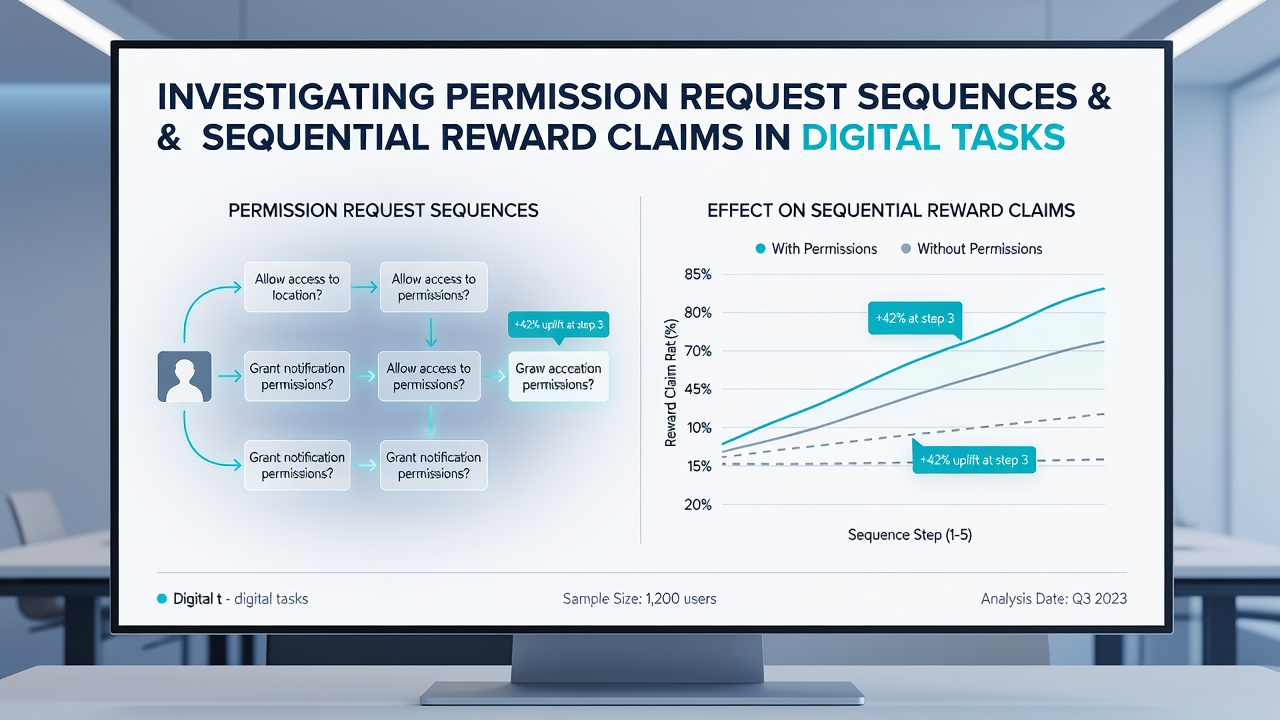
According to figures from the New Jersey Division of Gaming Enforcement, applications that request geolocation after initial account setup but before reward activation demonstrate higher sequential claim volumes than those asking for all permissions upfront. The delay allows players to experience core gameplay first, which builds investment before the app seeks additional access needed for bonus layers. When camera permissions for live verification follow location requests, the transition supports smoother progression into dealer-hosted table sessions that carry over rewards from reel play.
Regional Variations and Platform Adjustments
Platforms operating across borders adapt permission orders to align with local data rules, and those serving Canadian users frequently position notification prompts later in the sequence than those targeting markets with stricter location requirements. This adjustment stems from compliance needs that prioritize user consent timing, and the resulting claim patterns show distinct regional signatures. Research indicates that apps serving multiple jurisdictions track these differences through aggregated analytics to refine sequences without violating regulatory boundaries.
One study revealed that reel platforms using synchronized permission flows achieve steadier reward accumulation during periods of variable network connectivity because cached data from early storage access supports claim processing even when later permissions encounter delays. Table game sessions benefit similarly when verification prompts arrive after players have already engaged with initial bonuses, allowing the system to maintain momentum across dealer interactions and spinning rounds.
Conclusion
Permission request sequences continue to serve as a key variable in how digital table and reel platforms structure sequential reward claims, with placement decisions directly tied to measurable differences in user progression and completion metrics. Regulatory bodies such as the Alcohol and Gaming Commission of Ontario and the New Jersey Division of Gaming Enforcement provide ongoing data that platforms use to calibrate these flows, and June 2026 updates highlighted further refinements in cross-border implementations. The interplay between request order and reward mechanics remains a central focus for developers seeking to maintain compliance while supporting uninterrupted claim pathways.