Regional Licensing Effects on Multiplier Triggers in Cross-Border Handheld Reel Sessions
Written by Rafael Hayes · Jun 6, 2026
Regional Licensing Effects on Multiplier Triggers in Cross-Border Handheld Reel Sessions
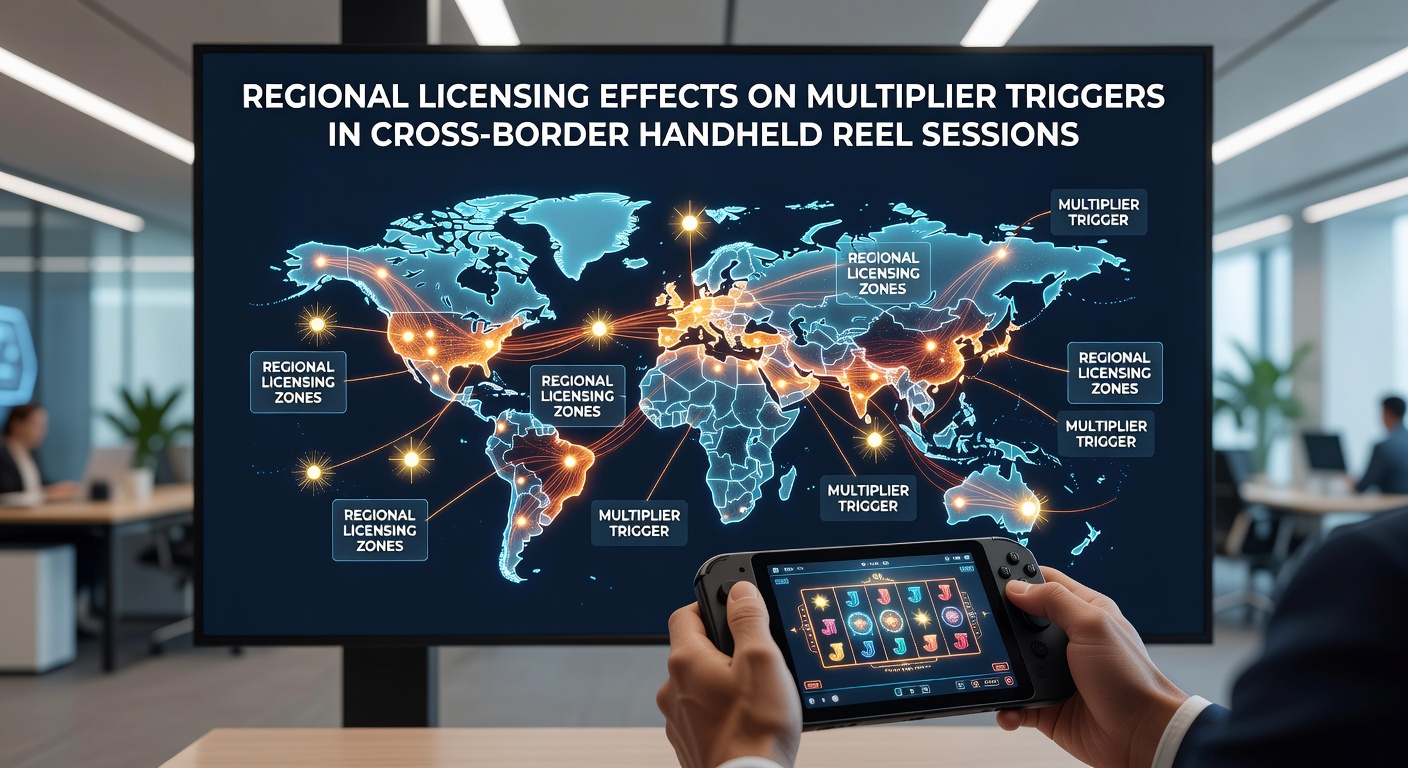
Regional licensing frameworks determine how multiplier triggers activate in handheld reel sessions that cross national boundaries, and operators must align game mechanics with varying compliance standards set by authorities in each jurisdiction. Data from multiple regulatory sources shows these alignments often alter trigger probabilities, payout structures, and feature availability for users accessing platforms from different locations.Licensing Variations Across Key Markets
Authorities in Asia and North America impose distinct rules on bonus mechanics that affect multipliers in mobile reel titles, while European frameworks add further layers through technical standards applied at the platform level. Observers note that these differences create segmented environments where a single game build may require regional variants to maintain legal operation. In June 2026 several markets updated their technical appendices, requiring operators to recalibrate multiplier thresholds before launching cross-border access.
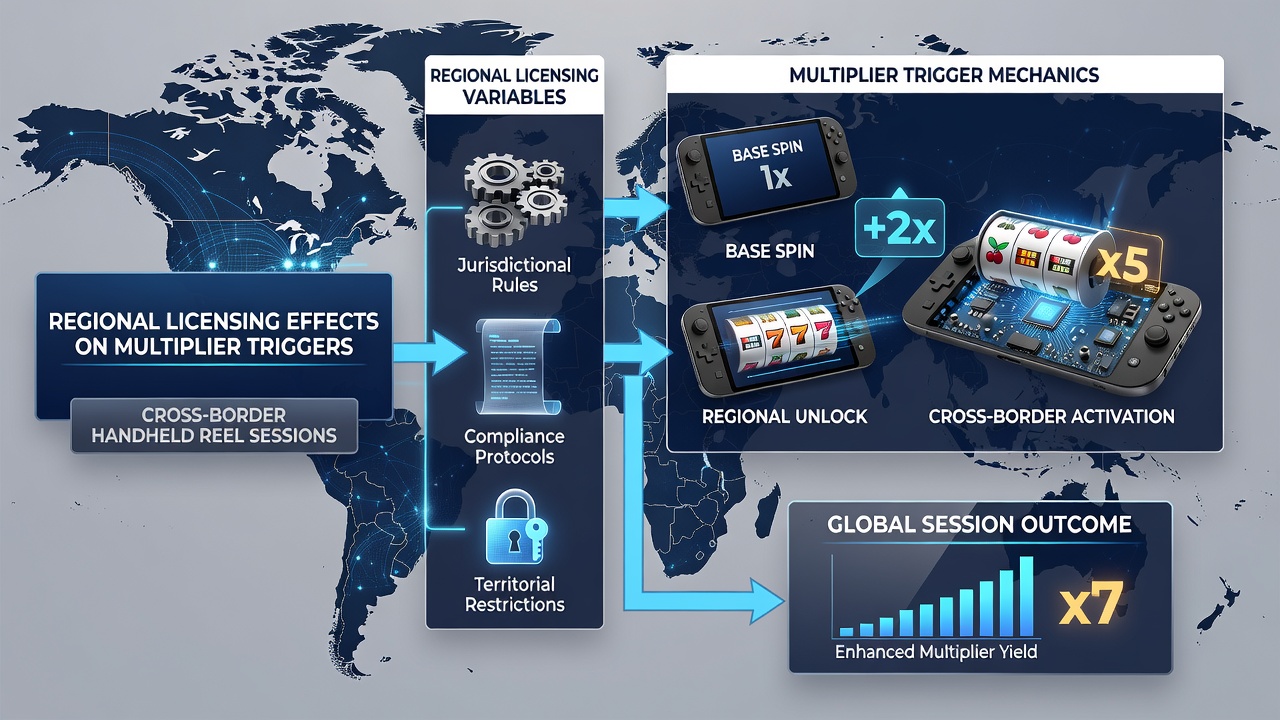
Research indicates that licensing conditions tied to player protection measures frequently cap maximum multiplier values or restrict certain trigger combinations when sessions involve users from multiple territories. Those who've examined compliance filings find that requirements around random number generator certification and audit trails extend to bonus features, forcing developers to embed jurisdiction-specific logic into the code.
Technical Adjustments in Multiplier Systems
Engineers implement conditional code blocks that detect user location and adjust multiplier trigger rates accordingly, ensuring sessions comply with the strictest applicable rules. Studies from industry reports reveal that these adjustments can reduce trigger frequency by measurable percentages when sessions span regions with conflicting bonus regulations. The process involves real-time checks against licensing databases maintained by oversight bodies.
Cross-Border Data Flow Implications
Platforms handling handheld reel sessions must route transaction and session data through approved servers located in licensed jurisdictions, which adds latency and influences how quickly multiplier events register. Figures from regulatory submissions show that delayed data synchronization sometimes prevents simultaneous trigger evaluations across borders, leading to separate resolution paths for each region. Operators coordinate with multiple authorities to maintain consistent user experiences despite these constraints.
Observed Patterns in June 2026 Updates
Updates rolled out in June 2026 by several oversight agencies required new reporting on multiplier distribution across cross-border sessions, and operators responded by refining their internal monitoring tools. Evidence from compliance summaries indicates that these changes prompted broader adoption of geo-specific multiplier tables rather than uniform global settings. The adjustments align game behavior with local expectations around game fairness without altering core mathematics in single-jurisdiction play.
Industry associations have documented cases where licensing renewals hinged on demonstrated control over multiplier triggers when users move between regions mid-session. Those reviewing the filings observe that failure to isolate these features can delay approvals or trigger additional audits. Coordination between regulators in different regions has increased, resulting in shared technical guidelines that address multiplier handling in portable formats.
Platform Implementation Strategies
Developers integrate modular multiplier engines that swap parameters based on detected licensing regimes, allowing a single codebase to serve multiple markets while preserving compliance. Data from platform audits shows that such modularity reduces the need for entirely separate game versions yet still meets the documentation demands of each authority. Testing protocols now routinely include simulated cross-border handoffs to verify trigger behavior under combined rule sets.
Payment gateway integrations also factor into these systems because regional licensing often extends to financial transaction handling that accompanies bonus activations. Reports compiled by research institutions highlight correlations between approved payment corridors and the availability of certain multiplier features during cross-border sessions.
Conclusion
Regional licensing continues to shape multiplier trigger mechanics in cross-border handheld reel sessions through targeted technical and procedural requirements. Operators maintain compliance by deploying location-aware systems and updated reporting structures, while regulatory bodies exchange information to address shared concerns around feature consistency. The patterns established through 2026 updates demonstrate ongoing adaptation rather than uniform global standards.