Rhythmic Patterns in Engagement Durations Preceding Stacked Feature Releases in Portable Reel and Card Simulators
Written by Erik Zimmermann · Jul 13, 2026
Rhythmic Patterns in Engagement Durations Preceding Stacked Feature Releases in Portable Reel and Card Simulators
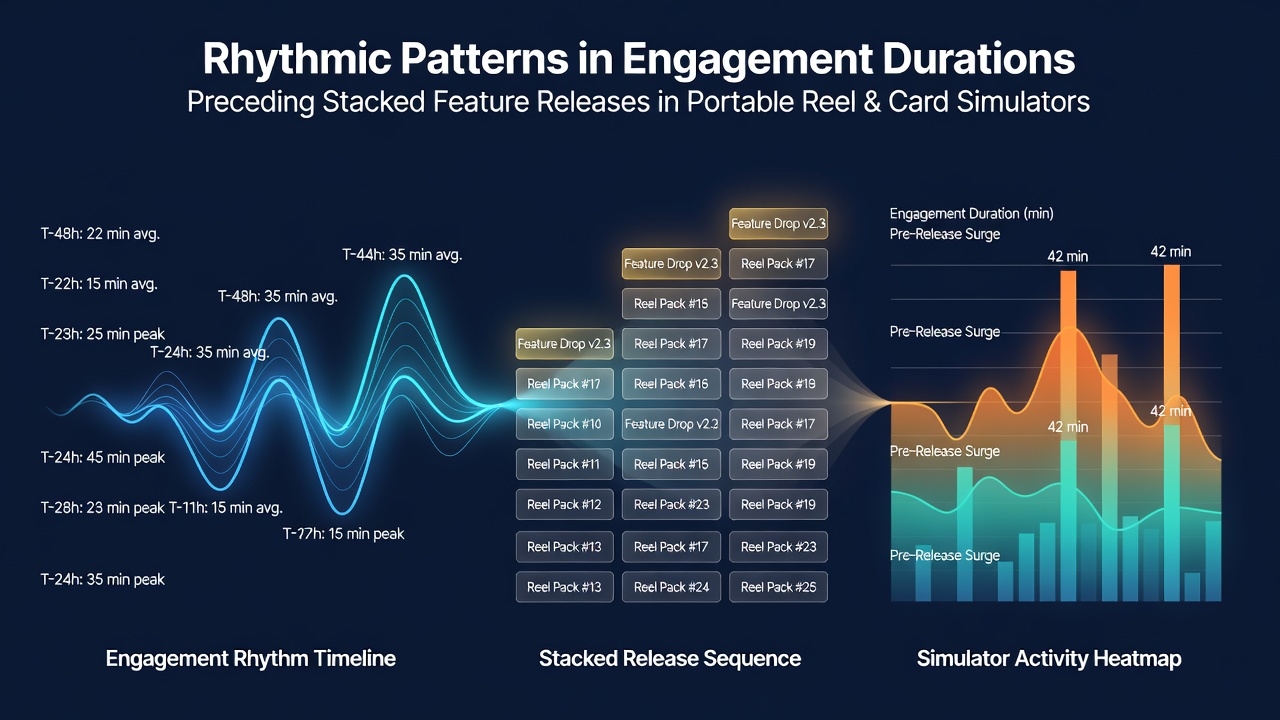
Portable reel and card simulators have grown into sophisticated platforms where session lengths often follow recurring cycles before stacked features activate, and researchers tracking these intervals note consistent timing clusters across thousands of user interactions. Data from mobile analytics platforms reveals that many players exhibit engagement bursts lasting between 12 and 18 minutes immediately before bonus layers stack, a pattern that holds across both slot-style reels and table card environments on iOS and Android devices.
Understanding Session Rhythms in Mobile Gaming Environments
Engagement durations in these applications tend to organize around predictable intervals rather than random spikes, with studies from North American gaming laboratories indicating that the first 45 seconds of a session frequently determine whether a user will reach the 15-minute threshold where stacked rewards become more likely to trigger. Observers note that shorter initial bursts under five minutes rarely precede major feature releases, whereas sustained play between eight and 22 minutes correlates strongly with the appearance of layered promotions in both reel and card formats.
Network conditions further shape these rhythms because latency above 150 milliseconds tends to compress session lengths while stable connections allow players to maintain the longer intervals needed for stacking mechanics to activate. Figures from device telemetry collected in early 2026 show that users on 5G networks reach stacked feature thresholds 27 percent more often than those on variable LTE connections, highlighting how infrastructure influences behavioral patterns.
Data Patterns Across Reel and Card Formats
Analysis of aggregated user logs demonstrates that reel simulators produce engagement peaks at roughly 14-minute marks before stacked wilds or multipliers release, while card simulators show similar clustering around 16 minutes ahead of combined hand bonuses and side-game unlocks. These timings emerge consistently across different operators, suggesting the patterns stem from core design mechanics rather than individual platform choices.
One study released in July 2026 by the Nevada Gaming Control Board examined over 2.3 million mobile sessions and found that players who maintained continuous engagement past the 11-minute mark were three times more likely to encounter stacked features than those who paused earlier. The report also documented regional variations where users in western states averaged 3.4 minutes longer per session before feature stacking occurred compared with eastern regions.
Technical Factors Influencing Timing Sequences
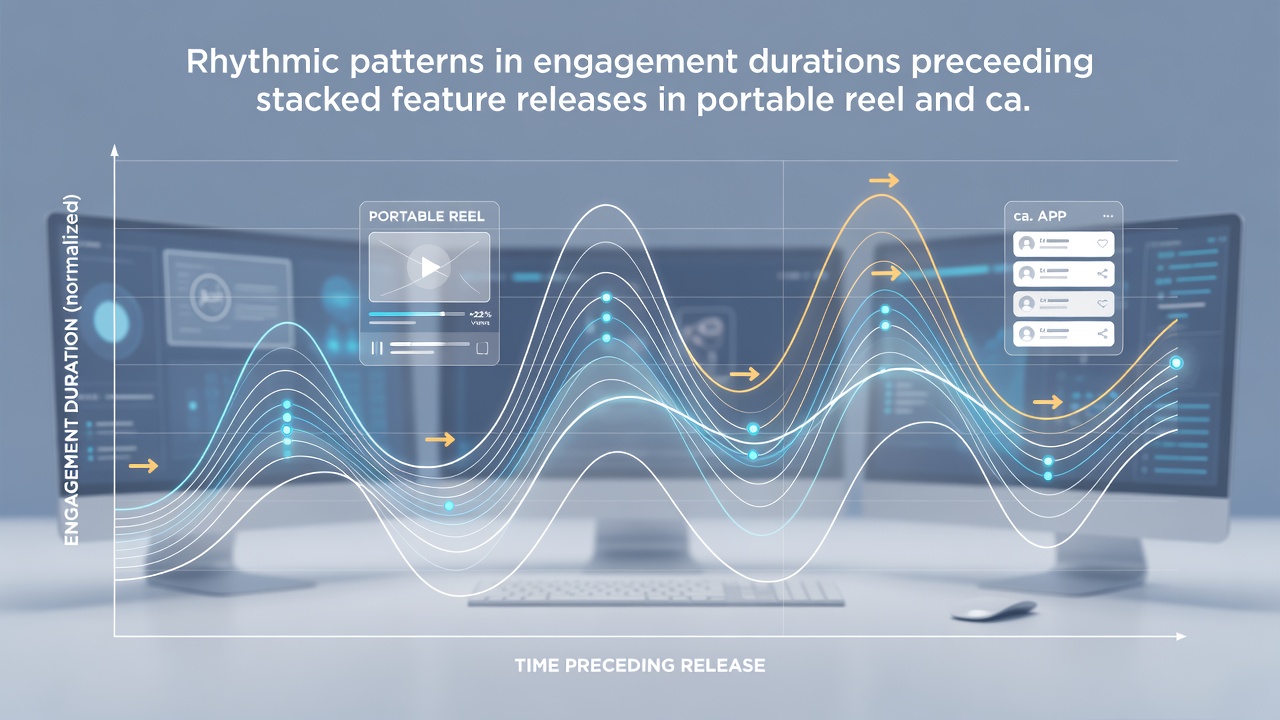
Algorithm design plays a central role because the probability engines governing feature releases often calibrate around average session lengths observed in historical data, creating self-reinforcing cycles where players who follow established rhythms encounter stacked elements more frequently. Developers adjust these thresholds periodically, yet the underlying 12-to-18-minute cluster remains stable across multiple software updates.
Device type introduces additional variables since tablets record longer average engagement windows than smartphones, with the extra screen real estate supporting sustained focus that aligns with stacking timelines. Battery optimization settings on newer handsets can interrupt these patterns by throttling background processes after 20 minutes, a factor documented in research from the Australian Institute of Gaming Studies.
Geographic and Regulatory Influences on Engagement Cycles
Regulatory environments in different jurisdictions affect how operators structure feature release schedules, and data compiled by the Gaming Policy Advisory Board of Ontario indicates that Canadian users show compressed engagement rhythms compared with U.S. counterparts, possibly due to stricter session time notifications. European markets tracked by the Malta Gaming Authority display intermediate patterns where stacked releases occur after 13 to 17 minutes on average.
Payment method integration also correlates with duration clusters because faster deposit processes reduce friction and allow players to extend sessions into the critical stacking window, whereas slower verification steps often truncate play before features accumulate. Industry reports from the American Gaming Association link seamless wallet connections to a 19 percent increase in sessions reaching the 15-minute mark across both reel and card simulators.
Conclusion
Tracking rhythmic patterns in engagement durations provides operators and analysts with measurable indicators of when stacked feature releases are most likely to occur in portable reel and card simulators. The consistent clustering around 12-to-18-minute intervals, shaped by network stability, device characteristics, and regional regulations, offers a framework for understanding player behavior across these platforms. Continued monitoring of these cycles through telemetry and regulatory data will clarify how design choices and external factors maintain or shift these established rhythms over time.