The Interplay Between Banking Preferences and Incentive Availability in Smartphone Roulette Sessions
Written by Viktor Coleman · Jun 1, 2026
The Interplay Between Banking Preferences and Incentive Availability in Smartphone Roulette Sessions
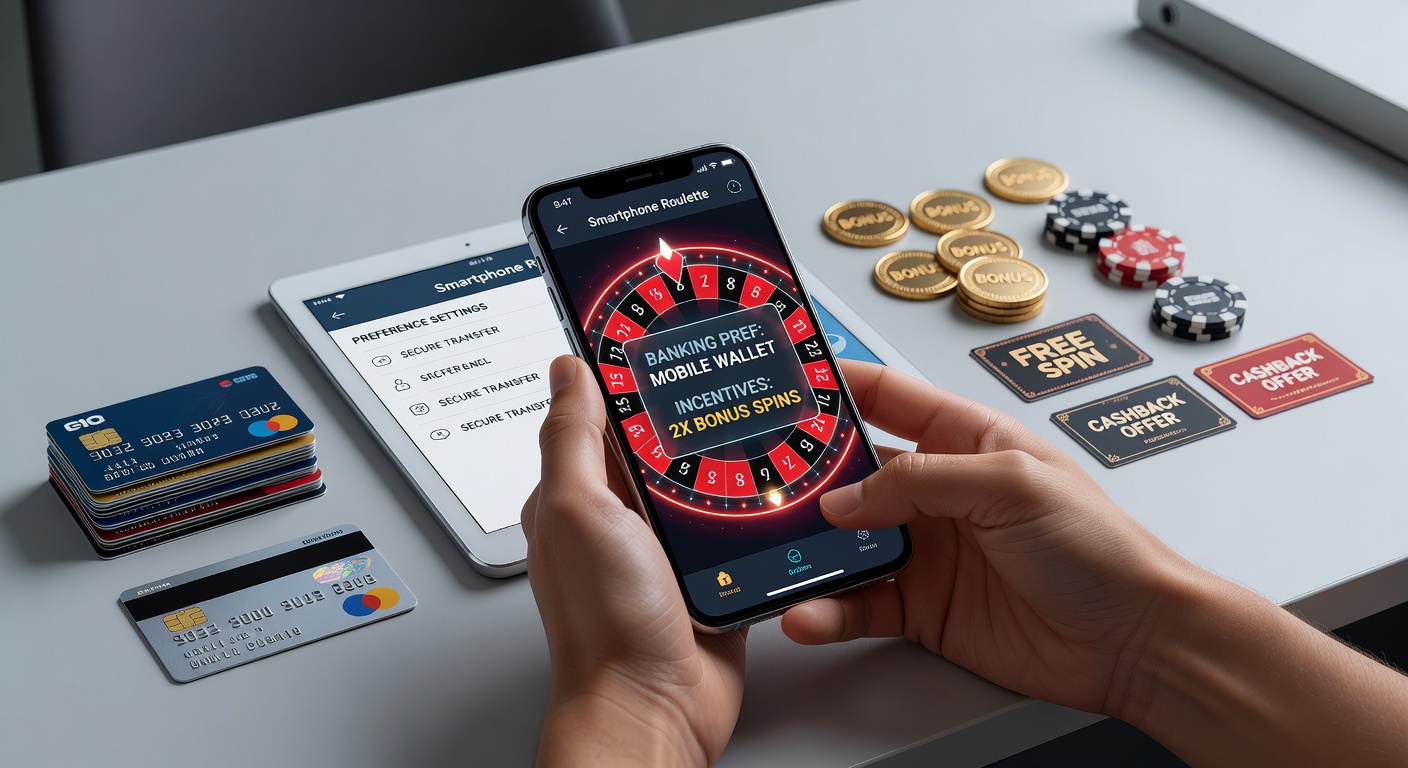
Smartphone roulette sessions have grown alongside mobile payment systems, and observers note that banking preferences directly shape which incentives become accessible during play. Players select methods such as digital wallets, instant bank transfers, or card-based options, and each choice carries specific eligibility rules for bonuses, cashback offers, and loyalty rewards. Data from industry reports indicate that deposit speed and transaction fees often determine whether a welcome package or ongoing promotion applies in real time.
Common Banking Methods in Mobile Roulette
Research indicates that e-wallets dominate smartphone roulette transactions in many markets because they integrate directly with app stores and reduce processing delays. Bank transfers, while slower, sometimes unlock higher-value incentives tied to verified accounts, whereas credit and debit cards remain popular for their familiarity yet face occasional restrictions from issuers concerned about gambling activity. Those who've tracked transaction patterns report that method selection frequently occurs at the deposit screen, where incentive banners update based on the chosen provider.
Regional differences appear clearly when comparing adoption rates. In parts of Europe and North America, instant payment rails such as open banking solutions have gained traction since early 2025, allowing users to move funds without leaving the roulette app. Meanwhile, cryptocurrency options appear in select jurisdictions where regulatory frameworks permit them, and studies show these methods sometimes carry distinct bonus multipliers not available through traditional channels.
How Incentives Align with Payment Choices
Operators structure rewards so that certain banking preferences receive priority. A deposit completed through an approved e-wallet might trigger an instant match bonus plus free spins on roulette variants, while teh same amount sent via wire transfer could qualify for a larger percentage match spread across multiple sessions. Figures released by gaming analytics firms reveal that players who switch methods mid-session often lose access to time-sensitive promotions because verification steps reset.
Smartphone interfaces add another layer. Mobile apps frequently embed payment buttons that pre-select the user's most recent method, and this default setting can steer bonus availability without additional prompts. When a preferred method becomes unavailable due to issuer policies or network issues, users must navigate alternative routes that may exclude them from current campaigns. Observers note that these friction points appear most often during peak evening hours when transaction volumes spike.

Regulatory and Platform Influences in Mid-2026
Updates issued in June 2026 by several gaming authorities clarified how payment verification intersects with promotional rules. New guidelines in certain Canadian provinces and Australian states require operators to display incentive eligibility at the moment of deposit selection, reducing later disputes. According to the European Gaming and Betting Association, these transparency measures have prompted platforms to adjust their roulette apps so that bonus terms appear before funds leave the player's account.
Platform providers have responded by expanding support for multiple banking rails within single sessions. A user can begin with an e-wallet deposit to claim an initial incentive, then switch to a bank-linked option for subsequent wagers without resetting progress toward loyalty tiers. Data indicates that such flexibility increases average session length on smartphone devices, particularly when roulette tables offer live dealer streams that reward consistent participation.
Patterns Observed Across User Groups
Analysts examining aggregated transaction logs find that younger demographics gravitate toward digital wallets that pair with device authentication, and these choices frequently align with flash promotions available only through app-based deposits. Older users show higher reliance on direct bank transfers that sometimes qualify for tiered cashback programs unavailable through card processors. One study released in spring 2026 documented that incentive redemption rates differ by as much as 18 percent across these banking cohorts when tracked over identical roulette game libraries.
Security features also play a role. Methods that require two-factor confirmation on the smartphone itself tend to satisfy stricter compliance checks, thereby unlocking incentives that demand verified identity. In contrast, guest checkout options through third-party processors may limit access to ongoing rewards until full account linkage occurs. Researchers tracking these behaviors note that the sequence of banking decisions within a single session often determines cumulative reward potential more than the total amount wagered.
Technical Integration and Future Adjustments
Developers continue refining how roulette applications communicate with banking APIs to surface real-time incentive availability. Push notifications now alert users when a preferred payment method becomes eligible for an upgraded bonus, and these alerts appear without interrupting active spins. Reports from technology vendors indicate that seamless integration reduces drop-off rates at the deposit stage, keeping players engaged longer on mobile devices.
As smartphone hardware evolves, biometric authentication tied to banking apps further streamlines the process. Users who enable fingerprint or facial recognition for transfers often encounter fewer verification hurdles, which in turn preserves access to time-limited roulette incentives. The pattern suggests that future updates will continue linking banking preference directly to reward mechanics rather than treating them as separate user journeys.
Conclusion
The relationship between banking preferences and incentive availability in smartphone roulette sessions rests on verifiable transaction rules, platform design choices, and regulatory requirements that shift over time. Data collected through 2026 shows consistent correlations between payment method selection and which rewards become accessible during mobile play. Operators and users alike navigate these connections through interfaces that display eligibility at the point of deposit, while external guidelines shape how those displays function across regions. Continued refinement of payment integrations will likely maintain this interplay as a central feature of smartphone roulette environments.